

Ha Giang
Travel Guide 2026
“Flow with the rhythm of highland life“
Overview
Ha Giang sits at the northernmost tip of Vietnam, where the land rises into limestone plateaus and the sky feels closer than anywhere else.
Beyond Ha Giang city, a landscape of terraced rice fields, ethnic minority villages, and deep river valleys stretches endlessly — this is not a place for rushing.
Home to the H’Mong, Tay, Dao, Lo Lo, and Kinh people, it offers a travel experience that feels deeply human and quietly unforgettable.
Quick Facts
- Location: Northeastern Vietnam, bordering China
- Nearest airport: None in Ha Giang; most visitors fly into Hanoi first
- Ideal stay: 3–5 days
- Travel style: Motorbike or private car, road surfaces vary
- Best time: October–March
- Administrative note: Since July 2025, Ha Giang has been merged into Tuyên Quang province as part of Vietnam’s provincial restructuring; the region, the Ha Giang Loop, and its landmarks remain unchanged
Why Visit Ha Giang?
Ha Giang offers a kind of experience that feels very different from the coastal Vietnam most visitors know.
Here, the travel is about the land itself.
You may find yourself:
- Watching mist cling to valleys in the early morning as stone karst formations rise from the rice paddies
- Sharing a simple bowl of soup that tastes like the mountains around it
- Slowing down for real conversations with local H’Mong families
- Feeling the genuine remoteness of the edge of the country
👉 These are not just activities, but moments that create a deeper connection with the place.
👉 Ha Giang is where travel becomes about the land, the people, and the quiet in between.
Top Experiences in Ha Giang
The Ha Giang Loop
This is the famous circuit that draws riders from around the world: a roughly 350km loop linking Ha Giang city, Quan Ba, Yen Minh, Dong Van, and Meo Vac before curling back. Most travelers cover it over 3–4 days, either self-driving a rented motorbike or riding pillion with a local “easy rider” guide. Roads are narrow, winding, and often shared with buffalo and children walking to school, so a valid motorbike license (or an experienced guide if you’re not confident riding) is strongly recommended.
Ma Pi Leng Pass
One of Vietnam’s four great mountain passes, winding along the Nho Quế River at around 1,500m with dramatic gorge views at every turn.
Dong Van Karst Plateau Geopark
A UNESCO Global Geopark of bare limestone, dotted with villages and surrounded by fields of buckwheat and wildflowers.
Lung Cu Flag Tower
Standing at around 1,700m, this is the northernmost point of Vietnam, reached by a climb split into three scenic stages.
👉 These landmarks capture the raw, dramatic beauty of the northern highlands.
Sung La Valley
Known as the valley where flowers bloom on stone, with peach blossoms, buckwheat, and mustard flowers coloring the landscape by season.
Hoang Su Phi Rice Terraces
Layers of green and gold terraces following the contours of the mountainsides, especially stunning in the growing season.
River Nho Que Boat Trip
A 40-minute journey along a jade-green river beneath the cliffs of the Nho Quế Gorge and Hẻm Tu Sản.
👉 Each stop reveals a different side of Ha Giang’s highland landscape.

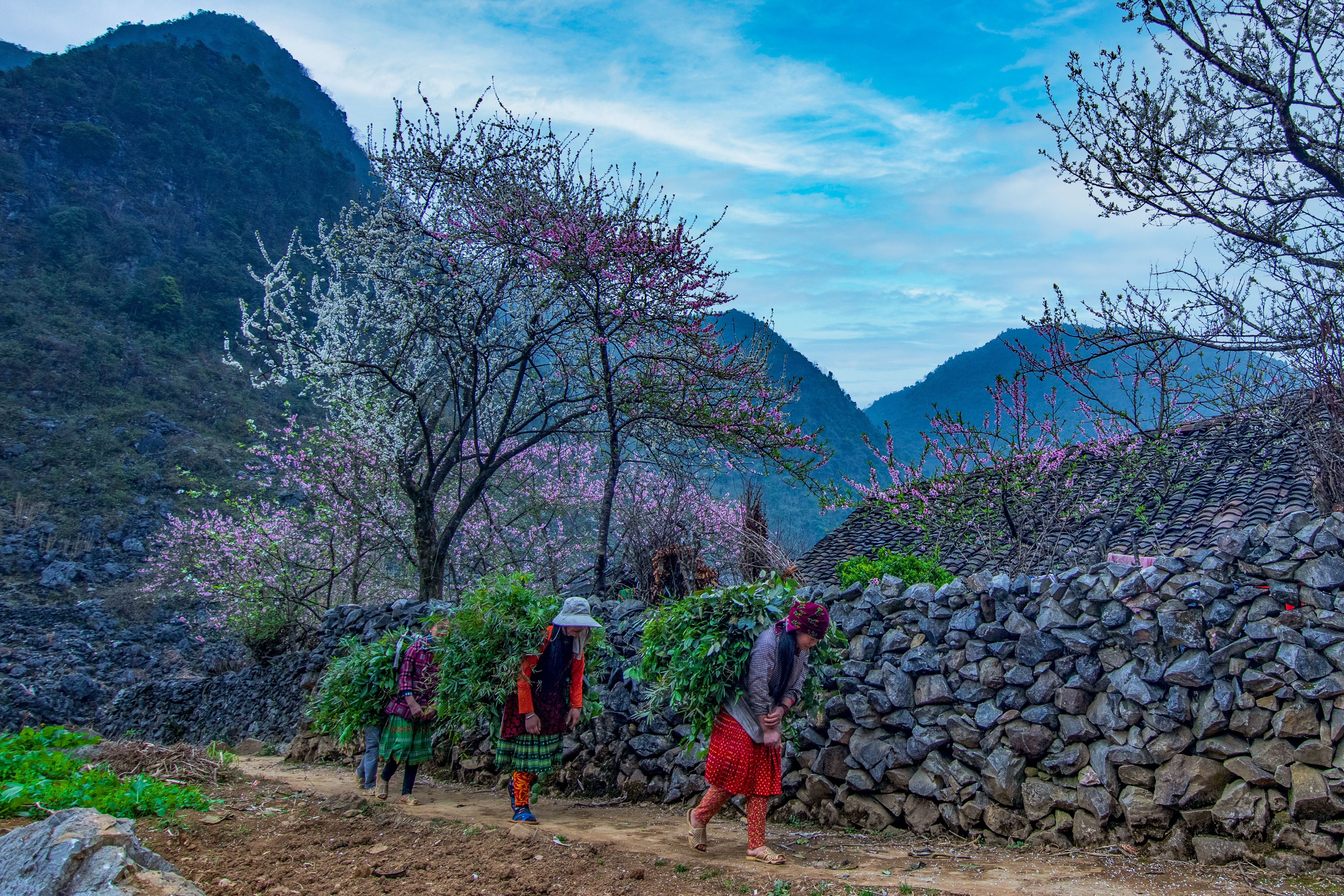


Beyond the popular highlights, there is always a quieter, more authentic side to explore.
If you prefer something more local, less crowded and deeply relaxing, we can help you experience it in your own way.
👉 Reach out to Vietnam Travel Help if you’d like guidance or a personalized journey.
How to Get There
From Hanoi, you can travel by:
- Overnight sleeper bus (from Mỹ Đình, Lương Yên, Yên Nghĩa, or Gia Lâm stations)
- Limousine bus for a smoother, more comfortable ride
- Private car for families or groups
Travel time: around 5–6 hours by road from Hanoi.
👉 See more in Transportation in Vietnam.
Getting Around Ha Giang
Motorbike is the most common way to explore the plateau.
You can get around by:
- Motorbike rental (150,000–300,000 VND per day)
- Private car service (7–16 seats) for families or groups
- Local buses between larger towns
👉 Motorbike rental gives you the freedom to stop wherever a view catches your eye.
What to Eat in Ha Giang
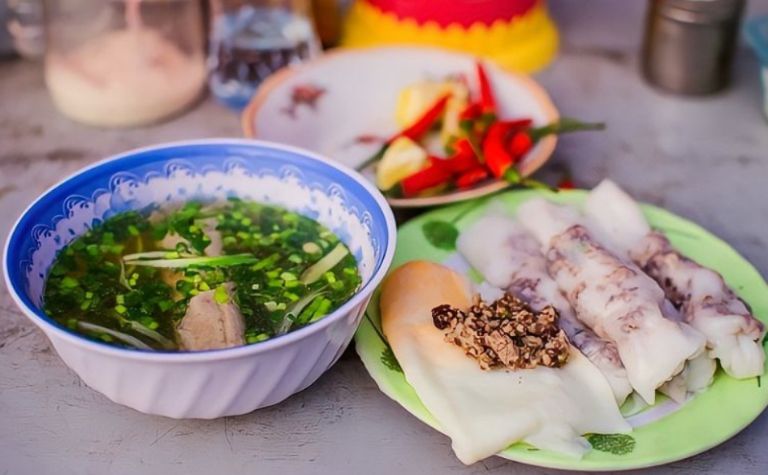
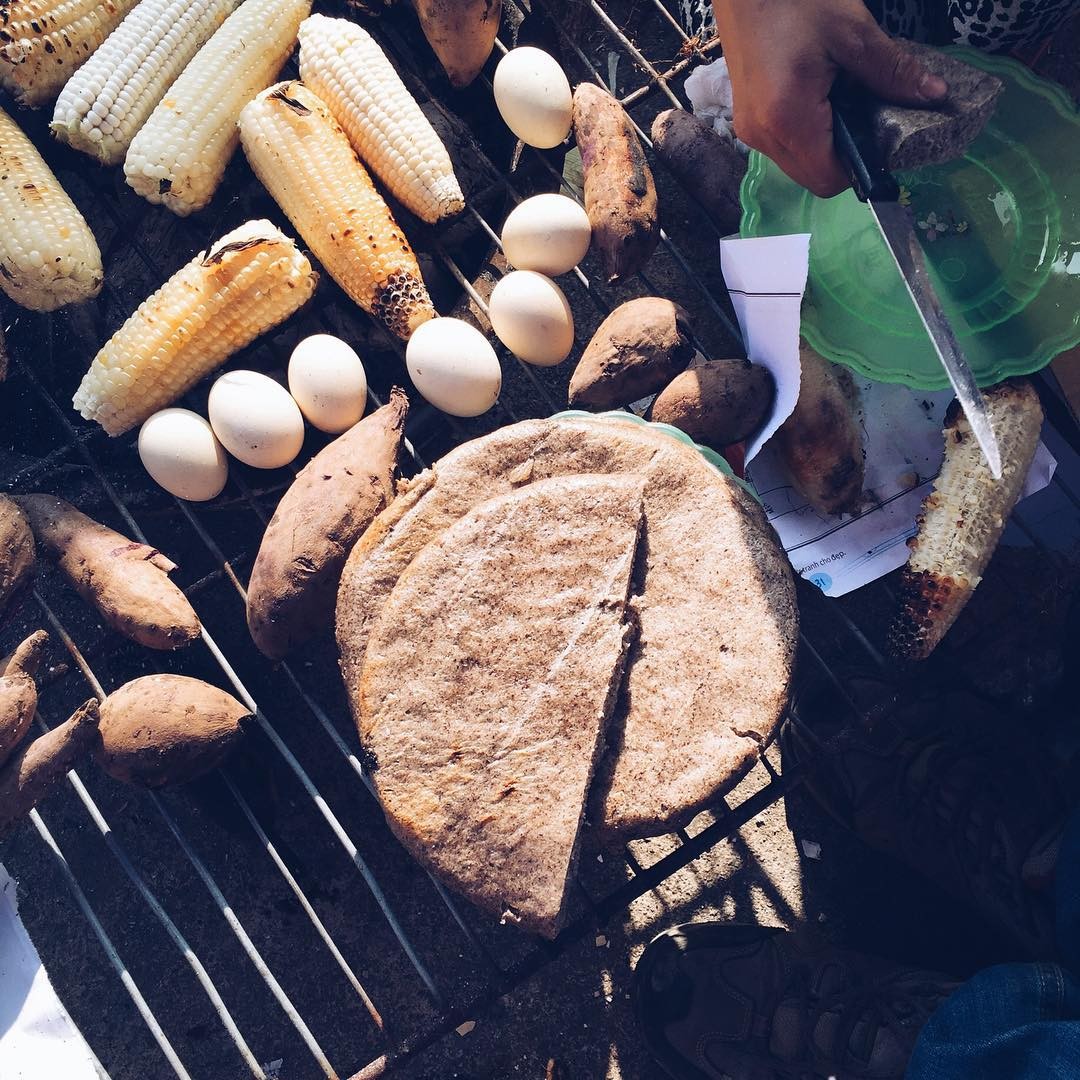
Ha Giang has a distinctive highland kitchen.
You can try:
- Bánh cuốn trứng (steamed rice roll with egg)
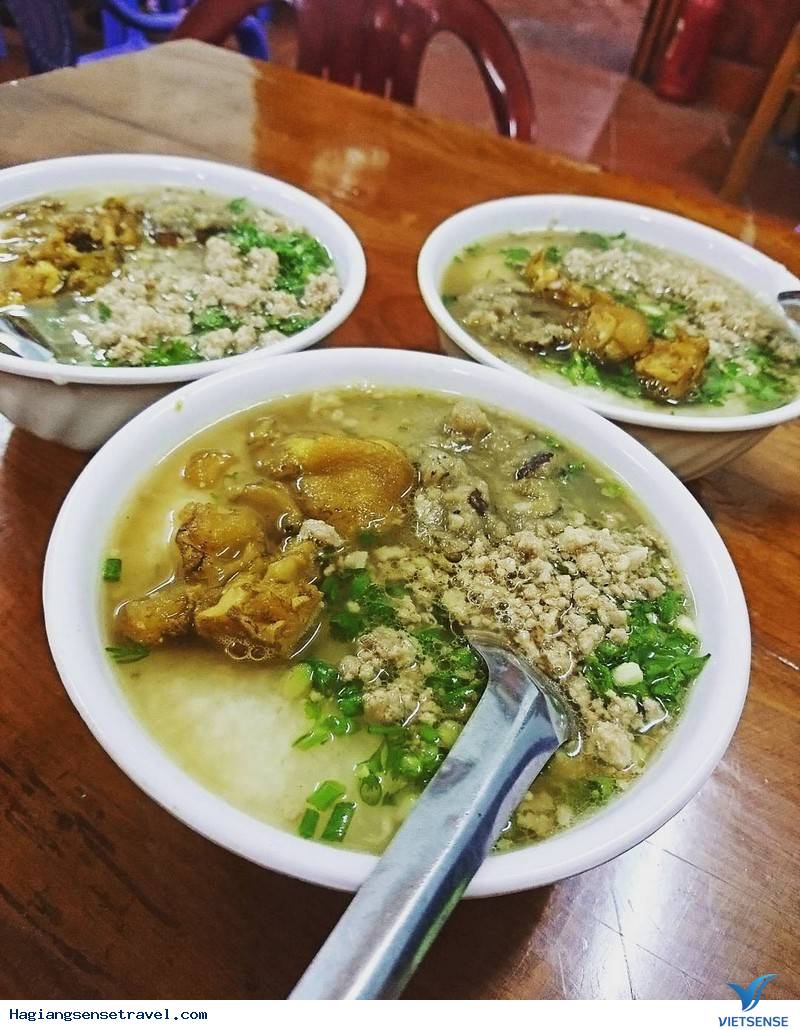
- Cháo ấu tẩu (pork knuckle porridge with a wild highland herb)
- Bánh chưng gù (rustic sticky rice cake wrapped in bamboo leaves)
- Thắng dền (glutinous rice dumplings)
- Thắng cố (highland stew with lamb or beef)
- Bánh tam giác mạch (buckwheat flower cake)
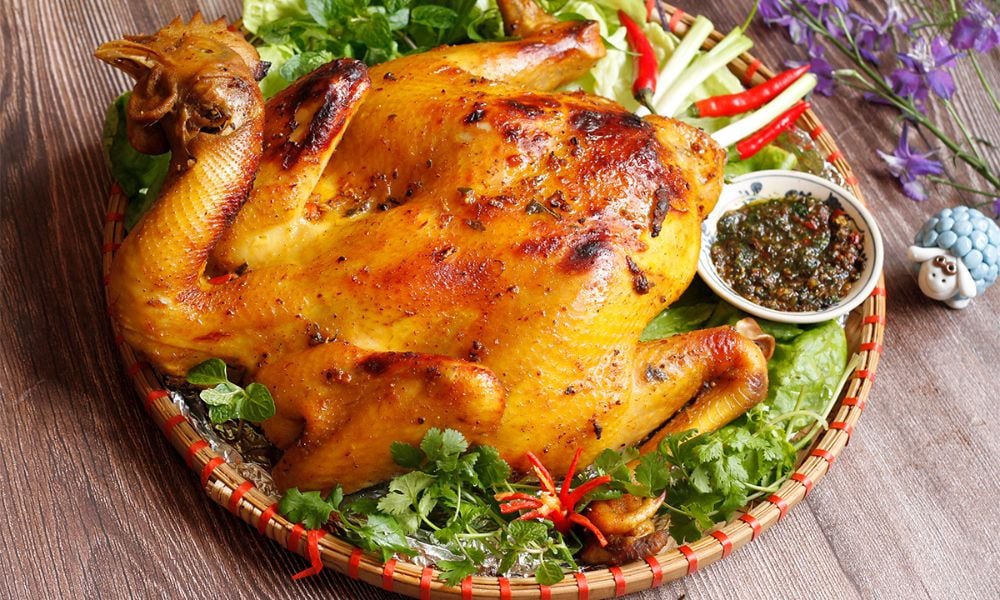
- Gà nướng mắc khén (grilled chicken with local highland spice)
👉 Tip:
Try cháo ấu tẩu in the cooler months — it’s eaten as both a meal and a tonic.
Ha Giang Souvenirs & Local Products
You can find local products that reflect the region’s highland lifestyle.
Popular items include:
- Cam Hà Giang (Ha Giang oranges)
- Mật ong bạc hà (mint honey)
- Lạp xưởng gác bếp (smoked sausage)
- Vải lanh (flax linen)
- Thổ cẩm (ethnic woven textiles)
👉 Tip:
Mint honey and Ha Giang oranges are among the most popular gifts to bring home.
👉 If needed, Vietnam Travel Help can assist with shopping or delivery. Message us for more details.


Wellness & Nature Experience
Ha Giang offers a quieter kind of wellness through immersion in nature.
You can enjoy:
- Long rides through pine forests and quiet rice terraces
- Watching morning mist move through peach-tree valleys
- Sitting by the Nho Quế River as the light changes over the gorge
- Community homestays with ethnic families
👉 There are no spas or resorts here in the usual sense — the land provides the rest itself.
👉 Explore more in Healthy Travel Tips.
Best Time to Visit
- October–December: buckwheat flowers, then golden rice terraces
- January–March: peach and plum blossoms in bloom
👉 May brings vivid green flooded rice paddies; June–July sees more rain but intensely green hillsides.
👉 See more in Weather & Best Time to Visit Vietnam.
Where to Stay
Đồng Văn & Mèo Vạc Plateau
- Closest base for Ma Pi Leng Pass, Lung Cu Flag Tower, and the karst plateau’s most dramatic viewpoints, so you spend less time riding and more time exploring
- Widest range of places to stay, from simple guesthouses to small boutique lodges, especially around Dong Van’s old quarter
- Busiest stretch of the loop, so rooms fill up fast and cost more during peak season (Oct–Mar)
Bắc Mê & Quản Bạ
- Quieter and greener, with easier access to pine forests, terraced rice fields, and the Twin Mountains viewpoint near Quan Ba
- Handy for breaking up the drive as your first or last night, since it sits between Ha Giang city and the plateau
- Fewer restaurants and services once evening comes, so it suits travelers who don’t mind an early, low-key night
👉 Recommendation:
Base yourself in Dong Van or Meo Vac if seeing the plateau’s landmarks is your priority, or split a night in Quan Ba on the way in or out for a quieter, more relaxed stop.
A More Mindful Way to Experience Ha Giang
Ha Giang invites you to slow down.
Instead of rushing:
- Give yourself at least three full days on the plateau
- Take time to understand local H’Mong, Tày, Dao, and Lo Lo cultures
- Ask before photographing people or homes
👉 The beauty here is in its simplicity. Explore Wellness Travel.
Combine with Nearby Destinations
Ha Giang is often combined with:
- Hanoi
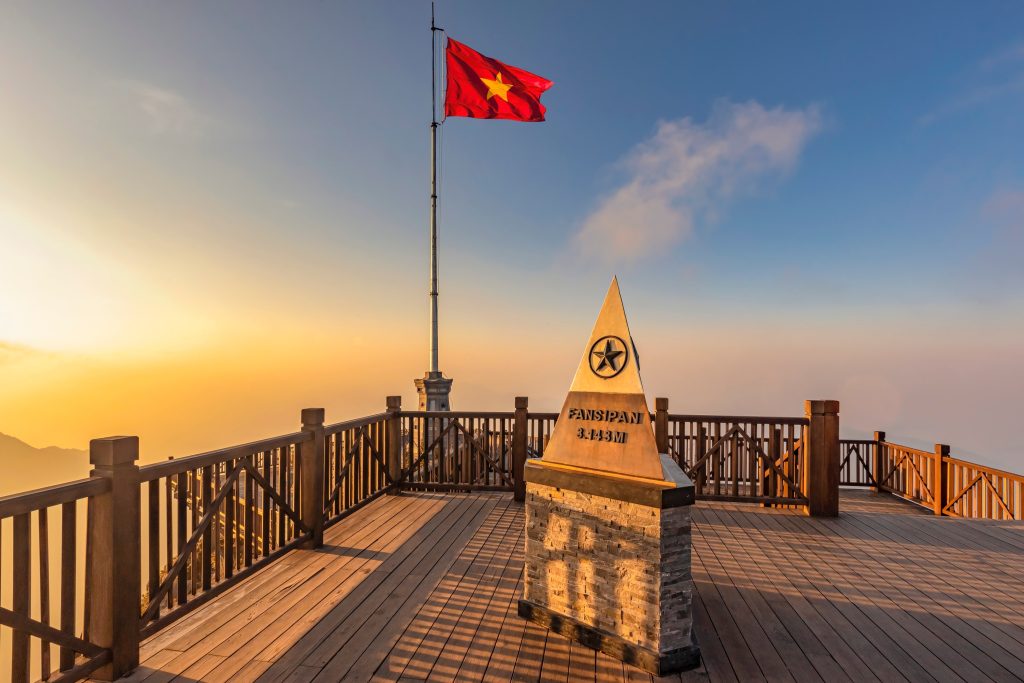
- Sapa
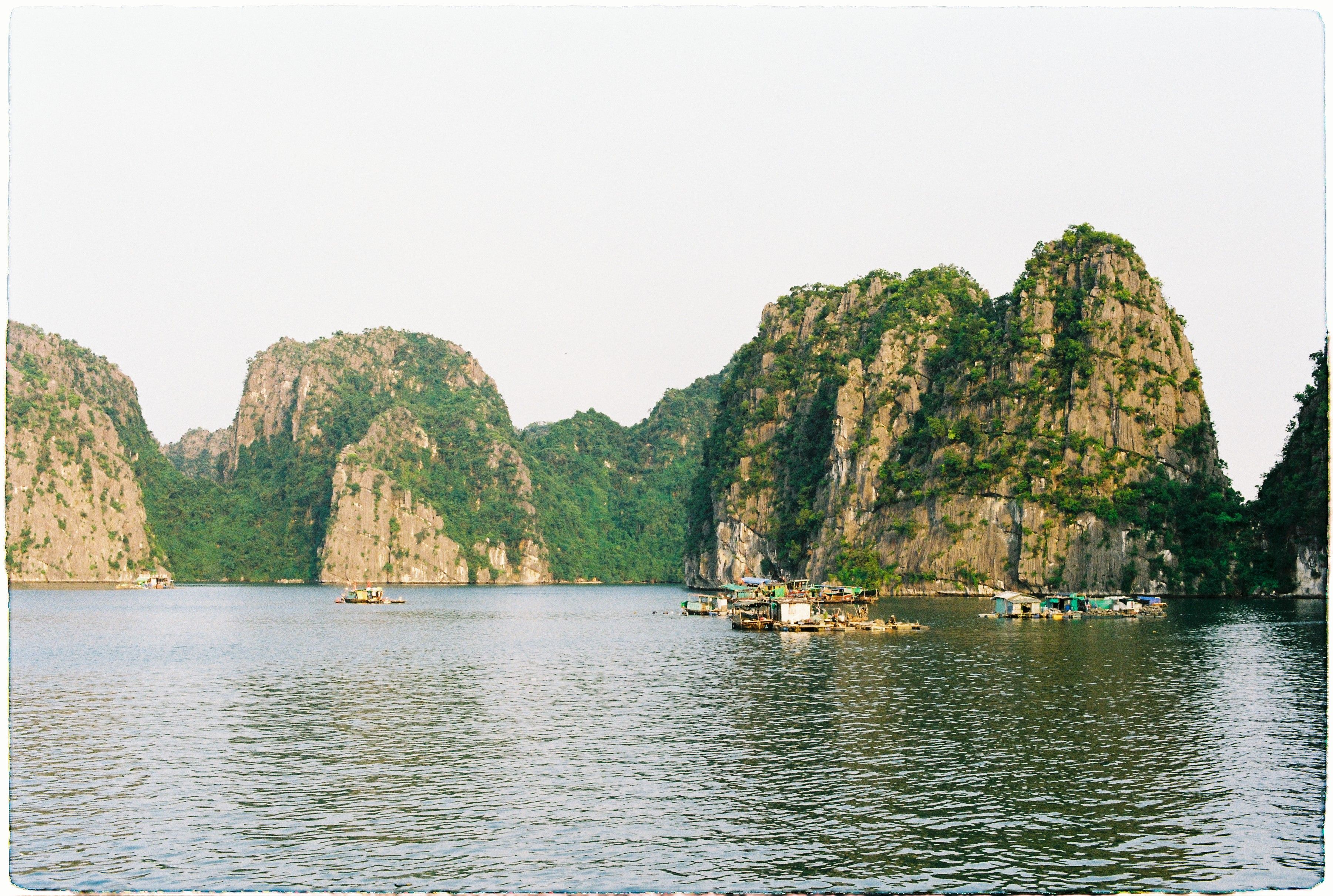
- Ha Long Bay
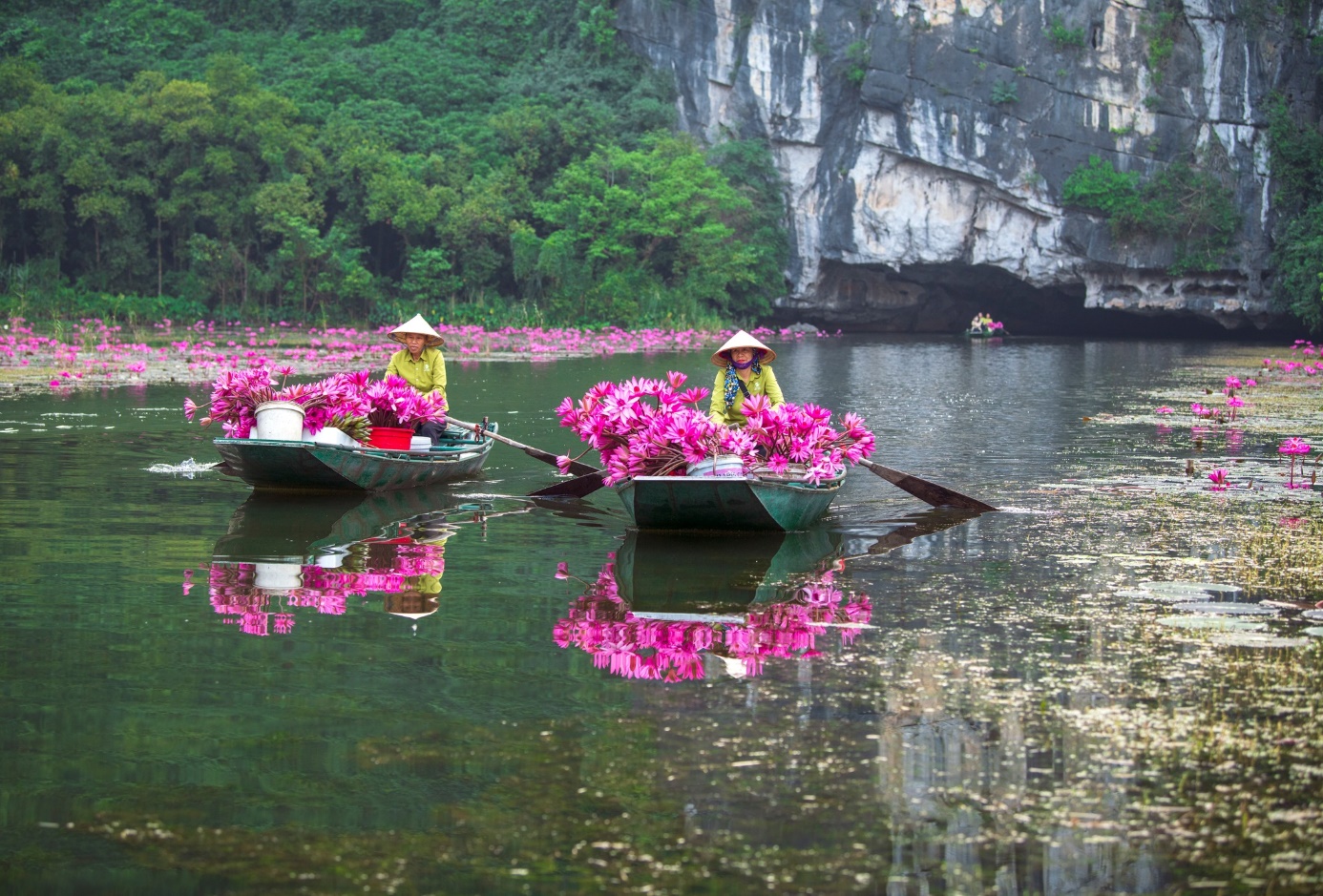
- Ninh Binh
👉 This creates a well-rounded Northern Vietnam highlands journey.

Suggested Itineraries
You can include Ha Giang in:
Northern Vietnam 5 Days Itineraries
Northern Vietnam 7–10 Days Itineraries
Vietnam 2 Weeks Itineraries
👉 You can explore more in Vietnam itineraries.



✨Want to explore beyond the usual highlights?
Vietnam has many beautiful places beyond the typical tourist routes.
If you’d like a more personalized experience based on your travel style, pace or interests, we’d be happy to help.