
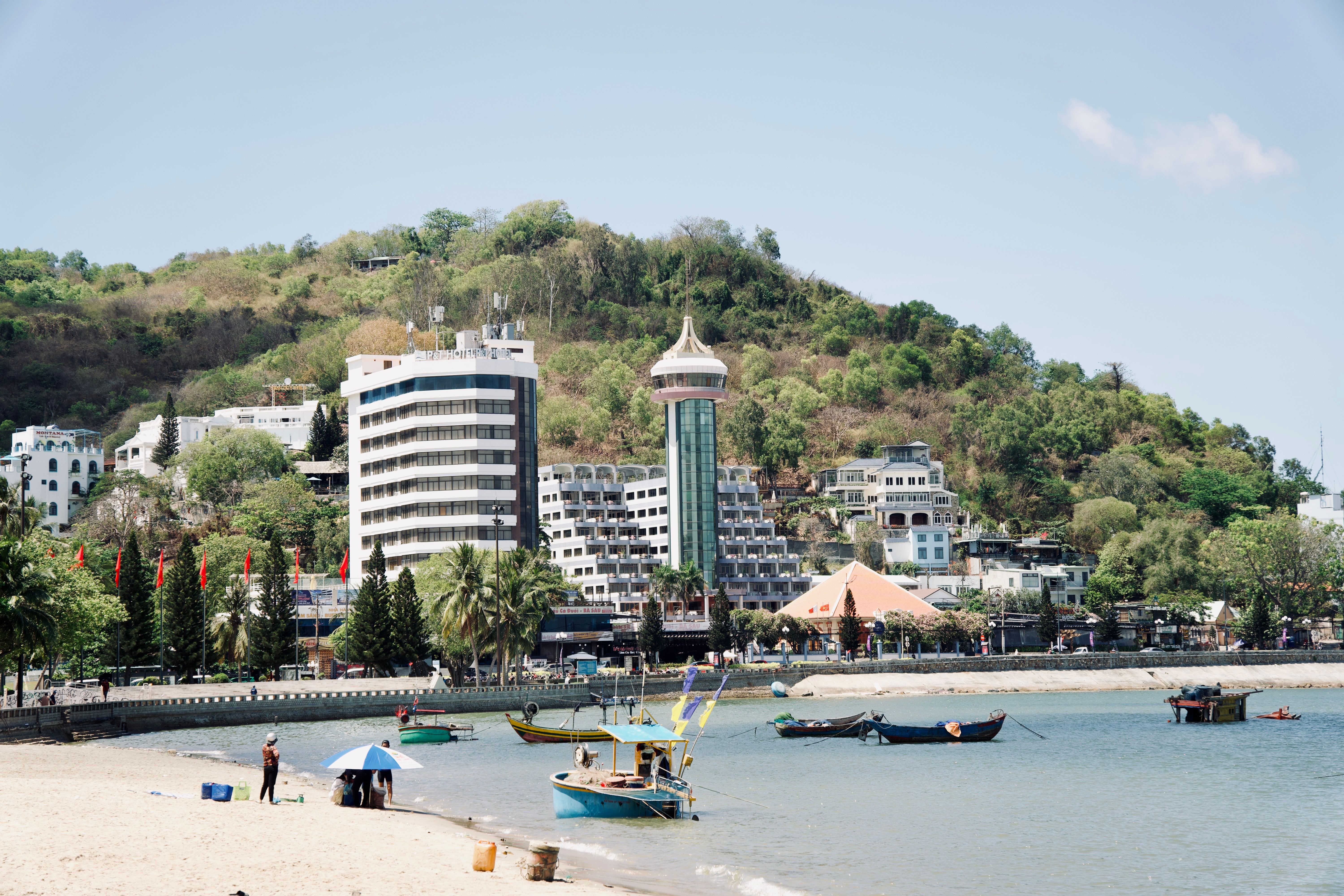
Vung Tau
Travel Guide 2026
“Sea breeze, fresh seafood and easy beach days”
Overview
Vung Tau is a breezy seaside city on a small peninsula about 100 km southeast of Ho Chi Minh City, known for its beaches, fresh seafood and easy hill walks with big sea views.
Since July 2025, Vung Tau has been part of Ho Chi Minh City administratively, but it still feels like a separate beach town, roughly 2–2.5 hours away by road. Most visitors are Vietnamese families escaping Saigon for the weekend, so weekdays are noticeably calmer.
For international travelers, it works well as a one- or two-night beach break or a day trip from Ho Chi Minh City, and as a starting point for Long Hai, Ho Tram or the ferry to Con Dao.
Quick Facts
- Location: Southeast coast of Vietnam, now part of Ho Chi Minh City (formerly Ba Ria–Vung Tau province)
- Distance from Ho Chi Minh City: ~100 km (2–2.5 hours by road, about 2 hours by fast boat)
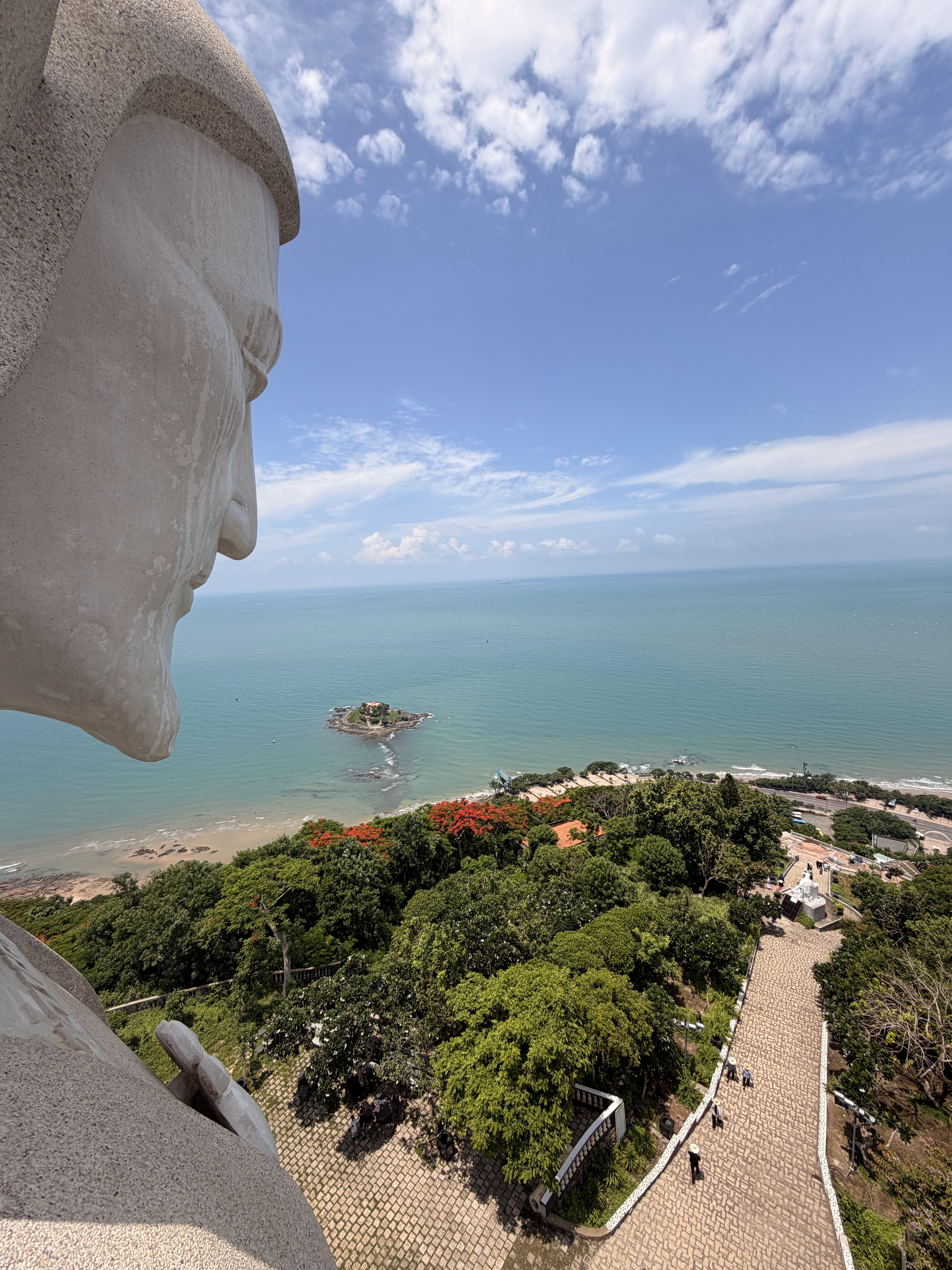
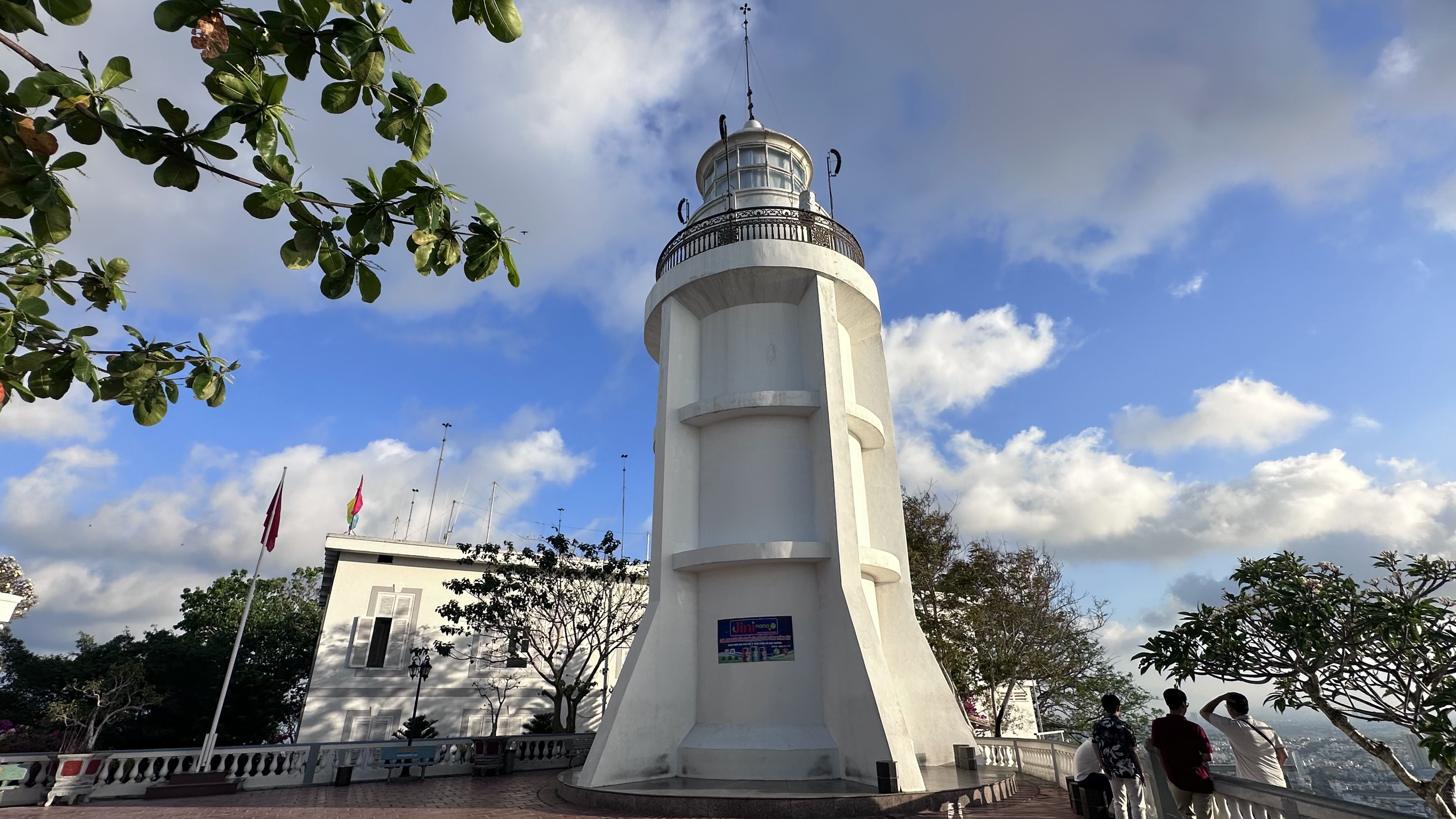
- Key landmarks: Christ of Vung Tau (32 m statue on Small Mountain), Vung Tau Lighthouse (built 1862, one of the oldest in Southeast Asia), Back Beach (Bãi Sau)
- Best time: November–April (dry season); visit on weekdays to avoid the crowds
Why Visit Vung Tau?
Vung Tau offers a relaxed, very local seaside experience: Vietnamese families, fishing boats and seafood restaurants rather than international resort crowds.
It also has more to do than a typical beach stop, with hill climbs, temples and colonial-era history all within a short ride.
You may find yourself:
- Swimming and strolling along the Back Beach (Bãi Sau) promenade
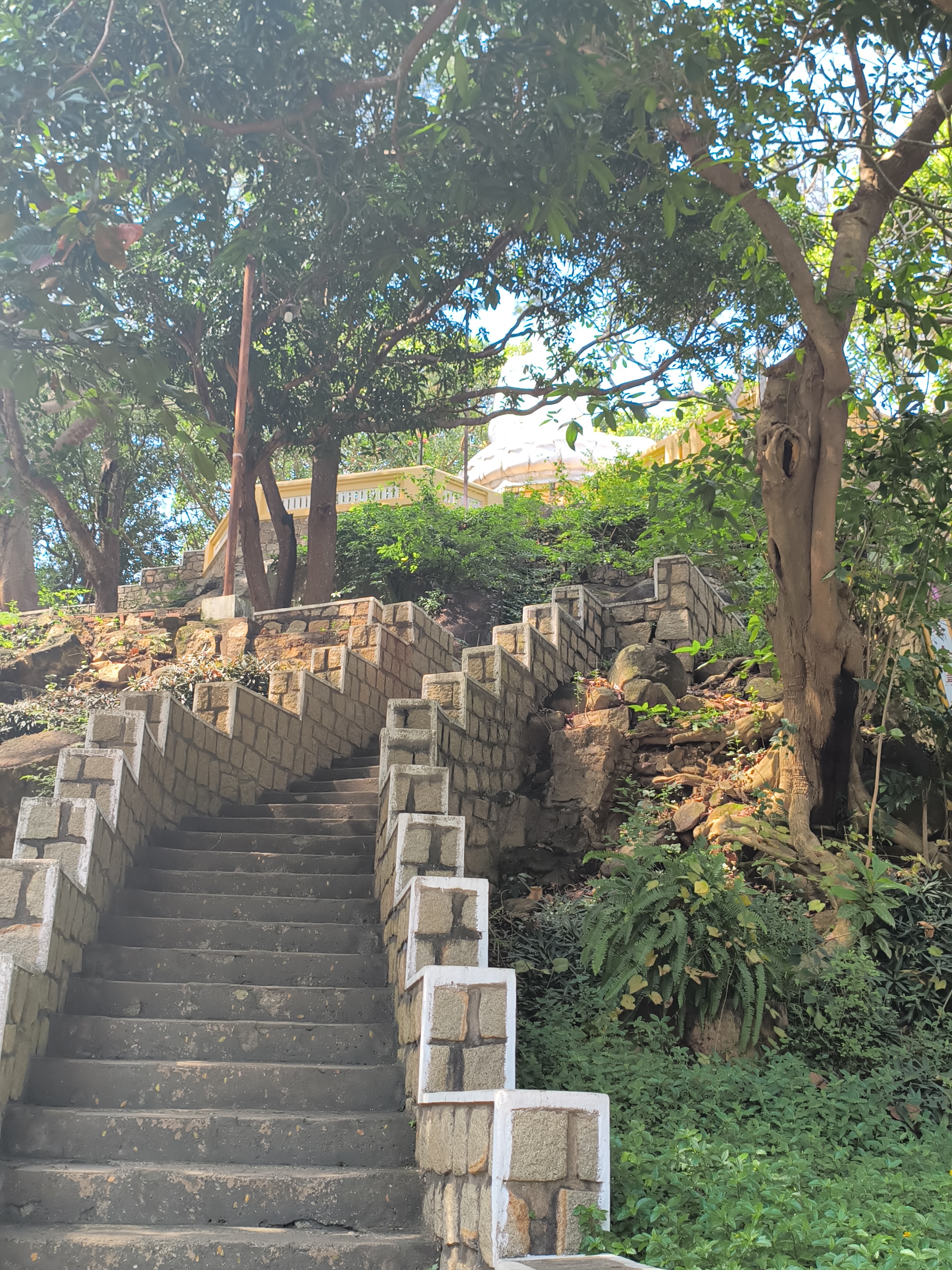
- Climbing about 800 steps up Small Mountain (Núi Nhỏ) to the Christ of Vung Tau statue and lighthouse for panoramic views
- Visiting Thích Ca Phật Đài, a large Buddhist complex on Big Mountain (Núi Lớn)
- Watching the sunset from Front Beach (Bãi Trước)
👉 Vung Tau is at its best when you mix beach time with a hill climb, a temple visit and a seafood dinner.
Top Experiences in Vung Tau
Beach Leisure
Back Beach is Vung Tau’s main swimming beach, with sun loungers, cafés and seafood restaurants along Thùy Vân Street. It gets very busy on weekends and holidays, so weekdays are more relaxed. It faces east, so it is also a good spot for sunrise.
Hills & Viewpoints
Climb about 800 steps up Small Mountain (Núi Nhỏ) to the Christ of Vung Tau statue, where you can also climb inside for views from its arms, then continue to the 1862 lighthouse for sea views. For an easier outing, walk out to Nghinh Phong Cape (Mũi Nghinh Phong) and nearby Pig Hill (Đồi Con Heo) for coastal scenery.
Temples & Spiritual Sites
Thích Ca Phật Đài on Big Mountain (Núi Lớn) is the city’s largest Buddhist complex, with terraces, pagodas and a large seated Buddha statue. Linh Sơn Cổ Tự is another temple worth a visit. Dress modestly, with shoulders and knees covered, and remove your shoes where indicated.
👉 Go early in the morning or late afternoon to avoid the midday heat.
Coastal Adventures
On select days each month, usually around the 14th–16th of the lunar month, a slippery rocky path from Back Beach appears at low tide and leads to Hòn Bà, a small island with a temple. Wear sturdy sandals and check tide times locally. Paddleboarding, surfing and kayak rental are also available at Back Beach.
Sunset & Evening Walks
Front Beach (Bãi Trước) faces west, making it the best place in the city for sunset, followed by an evening stroll along the promenade with cafés and seafood restaurants nearby.
Culinary Exploration
Vung Tau is known for its seafood and local specialties such as bánh khọt and lẩu cá đuối. See “What to Eat in Vung Tau” below for what to order.
👉 Each experience shows a different side of Vung Tau’s coastal life.

Beyond the popular highlights, there is always a quieter, more authentic side to explore.
If you prefer something more local, less crowded and deeply relaxing, we can help you experience it in your own way.
👉 Reach out to Vietnam Travel Help if you’d like guidance or a personalized journey.
How to Get There
From Ho Chi Minh City, you can travel by:
- Bus or limousine van from central Ho Chi Minh City (about 2–2.5 hours)
- Private car or taxi via the Long Thanh–Dau Giay Expressway and National Route 51 (about 2 hours, traffic permitting)
- Fast boat from Bach Dang Wharf in District 1 (about 2 hours; book your return ticket in advance)
- Cần Giờ–Vung Tau ferry (about 30 minutes across the bay, carries cars and motorbikes; only useful if you are already in Cần Giờ)
Travel time: around 2–2.5 hours by road, or about 2 hours by fast boat from Ho Chi Minh City.
👉 Motorbikes are not allowed on the expressway, so riders usually take Route 51 via the Cat Lai ferry, or the Cần Giờ ferry.
👉 See more in Transportation in Vietnam.
Getting Around Vung Tau
Vung Tau is compact, so taxis and ride-hailing apps are the easiest way to get around.
You can get around by:
- Grab, Xanh SM or local taxis
- Walking along the beach promenades
- Car rental with a driver (half-day or full-day)
- Bicycle or motorbike rental (see the licence note below)
👉 Motorbike rental is popular with independent travelers, but you legally need a valid motorcycle licence from your home country plus a 1968 Vienna Convention International Driving Permit. IDPs issued under the 1949 Geneva Convention (for example in the US, Canada and Australia) are not accepted in Vietnam. Check that your travel insurance covers riding before you rent.
What to Eat in Vung Tau
Vung Tau’s food scene is built around fresh seafood and a few local specialties.
You can try:
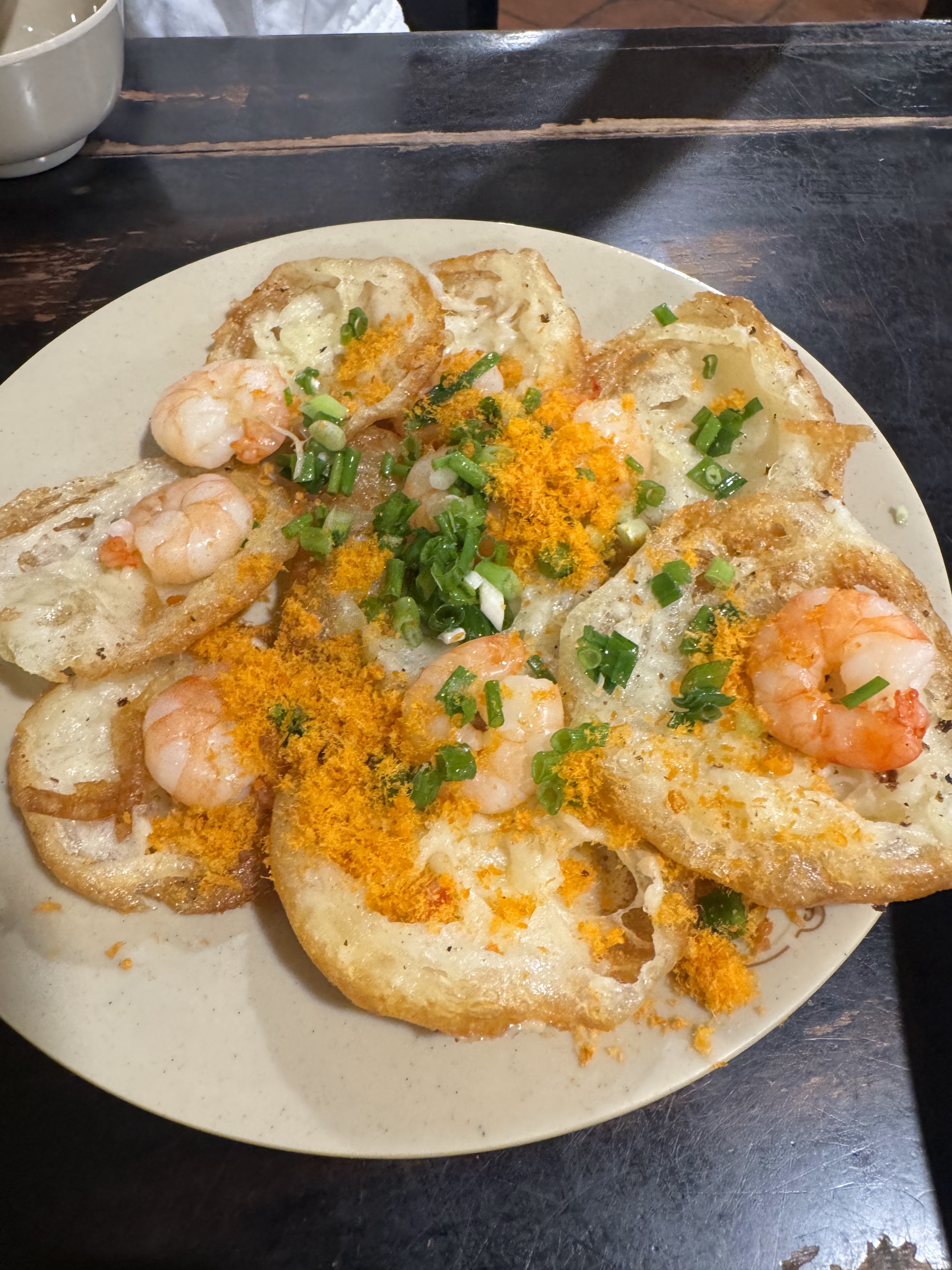
- Bánh khọt (crispy mini savory pancakes topped with shrimp)
- Lẩu cá đuối (stingray hotpot with sour bamboo shoots)
- Hải sản nướng (fresh grilled seafood)
- Gỏi cá mai (raw herring salad)
- Hủ tiếu mực sữa (baby squid rice noodle soup)
👉 Tip:
Try bánh khọt at a busy local stall, ideally in the morning, and wrap each pancake in lettuce and herbs before dipping it in fish sauce. Choose busy restaurants for seafood and gỏi cá mai.


Vung Tau Souvenirs & Local Products
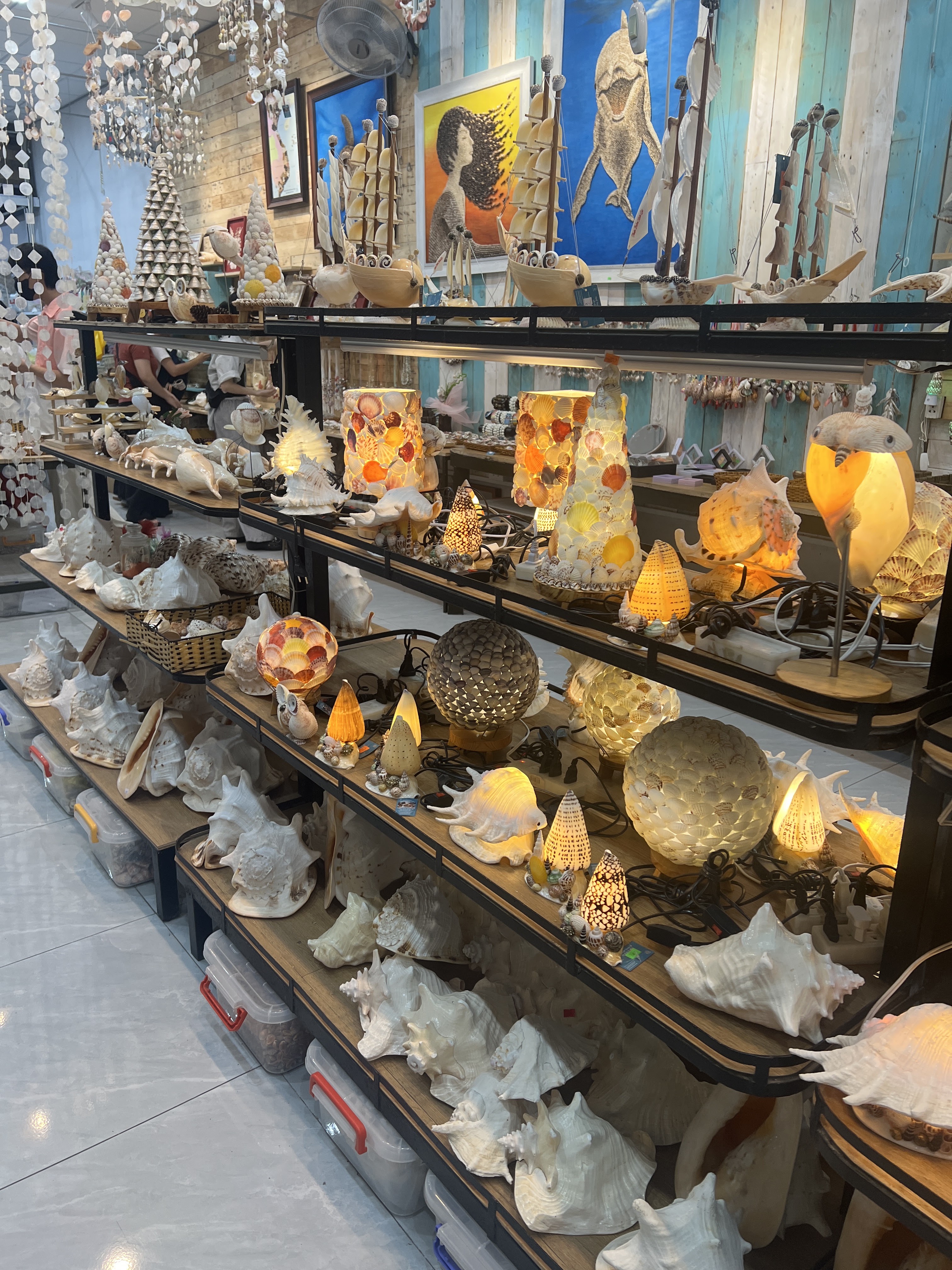
You can find local products that reflect the city’s fishing and coastal heritage.
Popular items include:
- Hải sản khô (dried squid, shrimp and fish)
- Nước mắm (local fish sauce)
- Bánh bông lan trứng muối (salted-egg sponge cake)
- Seashell jewelry and crafts
👉 Tip:
Dried seafood and fish sauce travel well, but check your home country’s customs rules on food before packing them. The sponge cake is best eaten within a few days.
👉 If needed, Vietnam Travel Help can assist with shopping or delivery. Message us for more details.


Wellness & Nature Experience
Vung Tau offers a range of natural experiences for relaxation and rejuvenation.
You can enjoy:
- Beach walks with soothing ocean waves and sea breeze
- Hill walks for fresh air and scenic views
- Quiet reflection at peaceful temples
- Paddleboarding and kayaking at Back Beach
👉 These experiences promote physical and mental wellness in equal measure.
👉 Explore more in Healthy Travel Tips.
Best Time to Visit
- November–April: dry season with sunny skies, calm seas and the best swimming conditions
- May–October: rainy season with short, heavy afternoon showers, stronger winds and rougher seas; fewer crowds and lower prices, but mid-July to September is the worst period for beach days
👉 Vung Tau is much busier on weekends and public holidays, especially Tet (Lunar New Year) and April 30–May 1. Visit midweek if you can.
👉 See more in Weather & Best Time to Visit Vietnam.
Where to Stay
Vung Tau is compact, so choose by area.
Back Beach (Bãi Sau): Best for beach days, with easy sand access, plenty of hotels, and cafés and seafood nearby. It gets crowded on weekends, and most hotels sit across the road from the beach.
Front Beach (Bãi Trước) and city centre: Good for sunsets, food and evening walks, and close to the fast-boat pier. The beach is small and harbour-side, so it’s better for strolling than swimming.
Hạ Long Road and Bãi Dâu: Calmer, with sea views and easy access to the statue and lighthouse. There are fewer restaurants nearby, so you’ll rely on taxis or Grab.
Long Hải and Hồ Tràm: A quieter resort-style escape 12–30 km away. It’s best if you have your own transport, as neither is walkable to Vung Tau’s main sights.
👉 Book ahead for weekends and holidays. Midweek is calmer and cheaper.
A More Mindful Way to Experience Vung Tau
Vung Tau invites you to slow down and connect with local life.
Instead of rushing:
- Connect with locals and learn basic Vietnamese phrases
- Support family-run restaurants and local markets
- Minimize waste and protect Vung Tau’s beaches and ecosystems
👉 The beauty here is in its simplicity. Explore Wellness Travel.
Combine with Nearby Destinations
Vung Tau is often combined with:
- Ho Chi Minh City
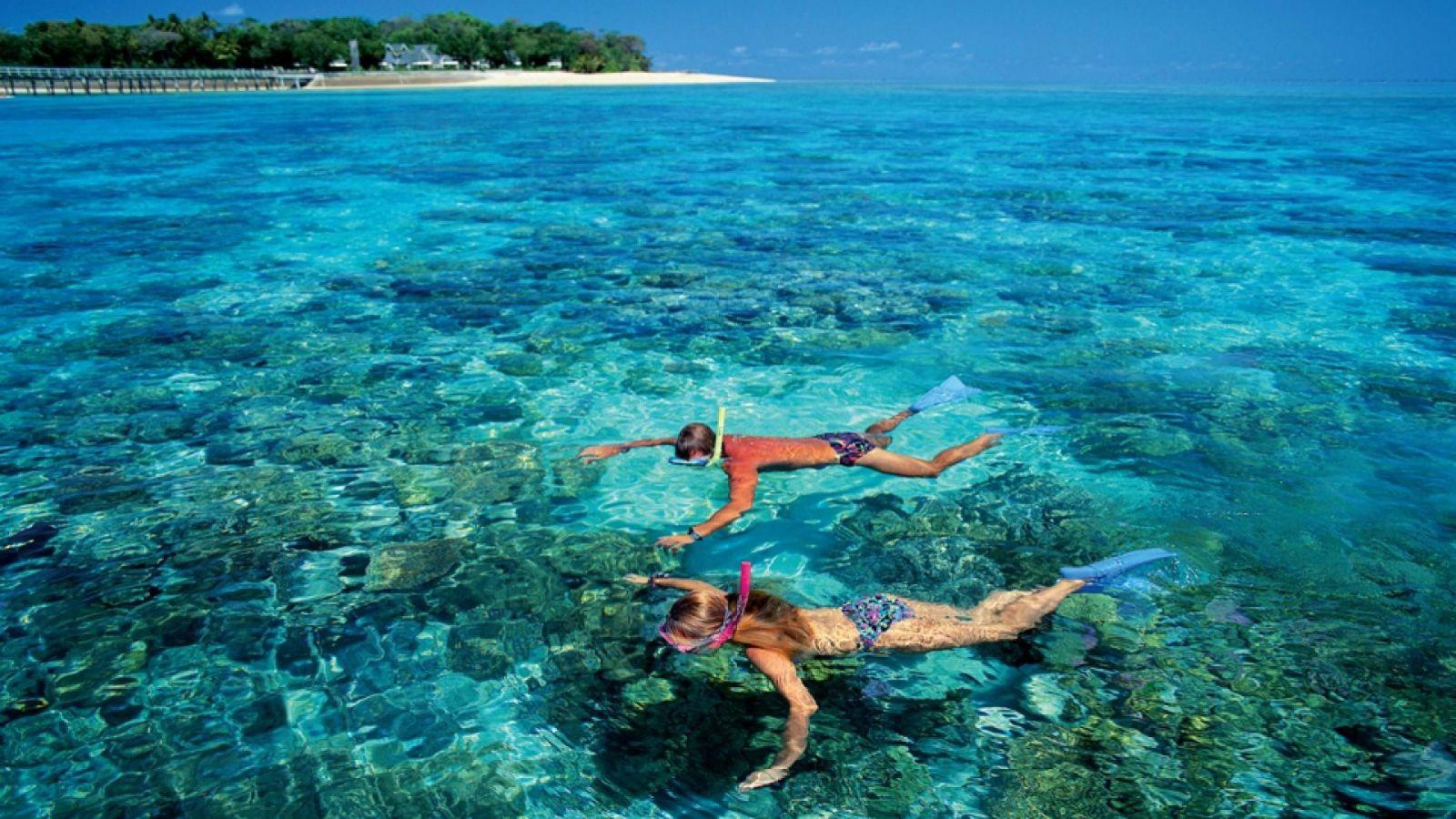
- Con Dao
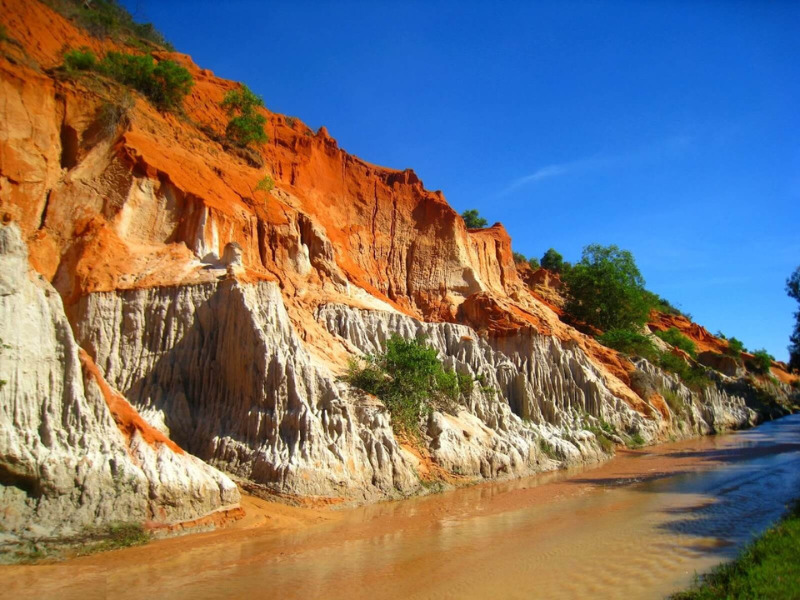
- Mui Ne
- Mekong Delta
👉 Together these make an easy southern Vietnam coast-and-city route.
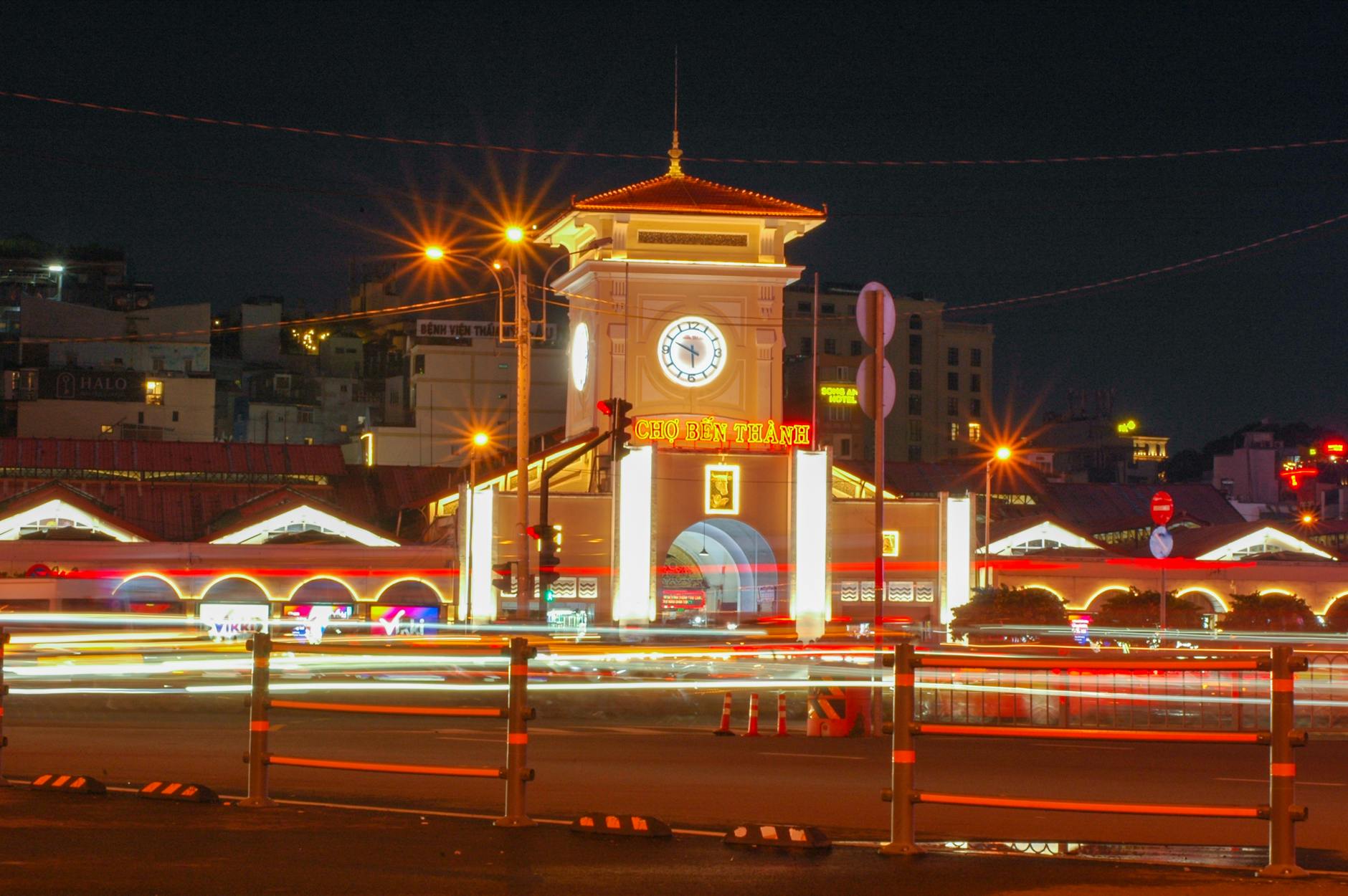
(~2.5 hours)
(~5 hours by ferry)
(~ 4 hours)

(~ 5 hours)
Suggested Itineraries
You can include Vung Tau in:
Southern Vietnam 4–5 Days Itinerary
Southern Vietnam 7 Days Itinerary
Vietnam 10 Days Itinerary
Vietnam 3 Weeks Itinerary
👉 You can explore more in Vietnam itineraries.


✨Want to explore beyond the usual highlights?
Vietnam has many beautiful places beyond the typical tourist routes.
If you’d like a more personalized experience based on your travel style, pace or interests, we’d be happy to help.